
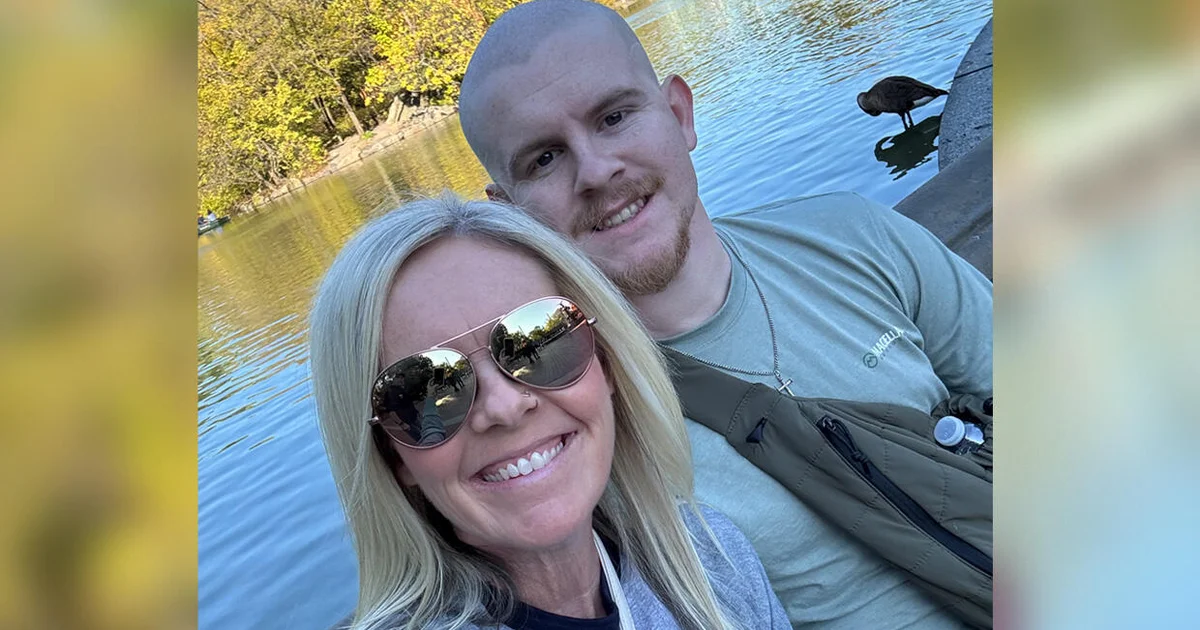
For Tabitha Lowe, the battle to save her son Mason began long before the medicine ran out. Mason, once a star athlete and homecoming king in southeastern Texas with dreams of becoming a police officer, saw his life upended when a seizure led to the discovery of a massive brain tumor. Diagnosed with diffuse hemispheric glioma, a cancer so rare that the World Health Organization only named it in 2021, he fought through surgery, radiation, and grueling chemotherapy. Even a desperate trip to New York City for a clinical trial failed to stop the disease from spreading into his spinal fluid, leaving his doctors searching for any possible lifeline.
His medical team eventually found hope in a drug called Lynparza. While not typically used for his specific diagnosis, genetic testing suggested that the medication could target the unique flaws in Mason’s tumor cells. His doctors argued that while large scale clinical trials are nearly impossible for such rare conditions, biological evidence and similar success stories made the drug a reasonable gamble. However, those scientific justifications hit a wall of corporate bureaucracy. His pharmacy benefit manager and later Jefferson County denied coverage because the drug was not FDA approved specifically for his type of cancer.
This struggle highlights a systemic gap in American healthcare where insurance policies lag far behind genomic science. Because insurers rely heavily on strict FDA labels and established guidelines, patients with rare tumors often find themselves excluded from cutting edge treatments that their own DNA suggests would work. For Mason’s family, this meant facing an out of pocket cost of roughly 8700 dollars per month at a time when they were already reeling from the emotional toll of his illness.
Despite appeals and requests for compassionate use donations from pharmaceutical companies, the doors remained closed. To Tabitha Lowe, this was more than just a paperwork dispute; it felt like discrimination against her son simply because his illness was uncommon. As researchers continue to unlock the deep genetic language of cancer, families like the Hendersons remain caught in the middle, fighting both a deadly disease and a rigid system that struggles to adapt to personalized medicine.
