
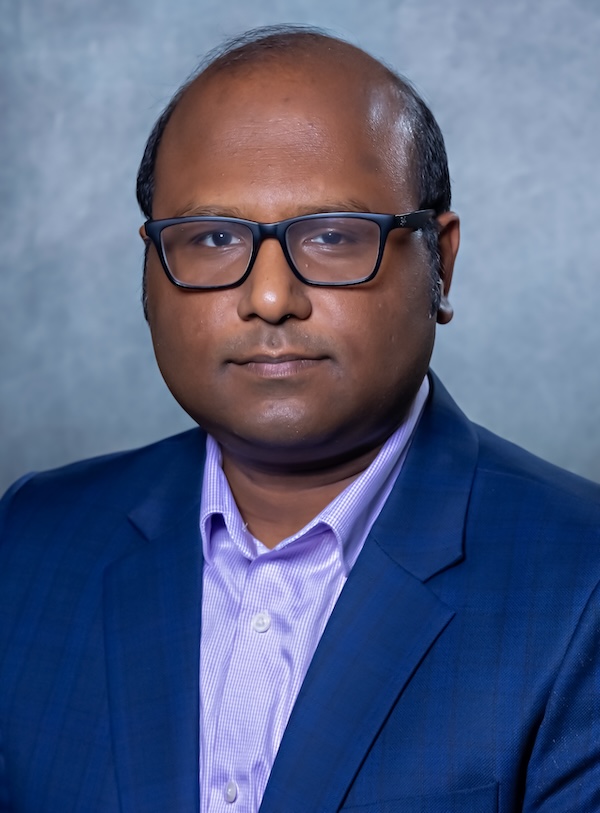
While many view snoring as a simple midnight annoyance, it can actually be a warning sign of obstructive sleep apnea, a chronic condition where breathing repeatedly halts during sleep. Left untreated, this disorder does more than just cause daytime exhaustion; it significantly raises the risk of severe medical issues like heart failure, stroke, and high blood pressure. To combat these risks, Shumit Saha, an assistant professor at Kennesaw State University’s College of Computing and Software Engineering, has been awarded a grant of over 235 thousand dollars from the National Institutes of Health to revolutionize how the condition is diagnosed and treated.
Current gold standard treatments like CPAP machines are effective but often prove cumbersome or uncomfortable for patients, leading many to abandon them. While other alternatives exist, such as jaw repositioning devices or hypoglossal nerve stimulation—which uses electricity to keep the airway open—the real struggle lies in figuring out which method works for which person. Dr. Saha believes that instead of forcing patients through a frustrating process of trial and error, technology can be used to predict the most effective treatment path from the start.
The core of this research involves using artificial intelligence and deep learning to analyze snoring patterns. Currently, identifying exactly where an airway collapses requires an invasive procedure involving sedation and cameras inserted through the nose. Dr. Saha aims to replace this resource intensive process by analyzing sound data provided by partners at Harvard Medical School and Brigham and Women’s Hospital. By studying these audio signatures, his team hopes to pinpoint whether a blockage is occurring at the soft palate or the base of the tongue without needing surgical intervention.
Ultimately, this project seeks to create a clinical decision support tool that provides physicians with a comprehensive report on a patient’s specific obstruction site and their likelihood of responding to nerve stimulation therapy. By shifting toward an AI driven diagnostic model, Dr. Saha hopes to reduce healthcare costs and shorten the time it takes for patients to find relief. This innovation could transform sleep apnea management into a personalized experience, removing much of the guesswork and lowering the overall burden of care for millions of sleepers.
