
Governor Kathy Hochul has declared a disaster emergency across New York following a sharp spike in measles cases that has primarily impacted rural regions and bled into neighboring Pennsylvania. With 110 confirmed cases already recorded this year, the state is facing more than double the infections seen throughout all of last year. State Health Commissioner Dr. James McDonald warned that this surge represents a troubling national trend, noting that U.S. case numbers have climbed significantly compared to previous decades when such outbreaks were rare.
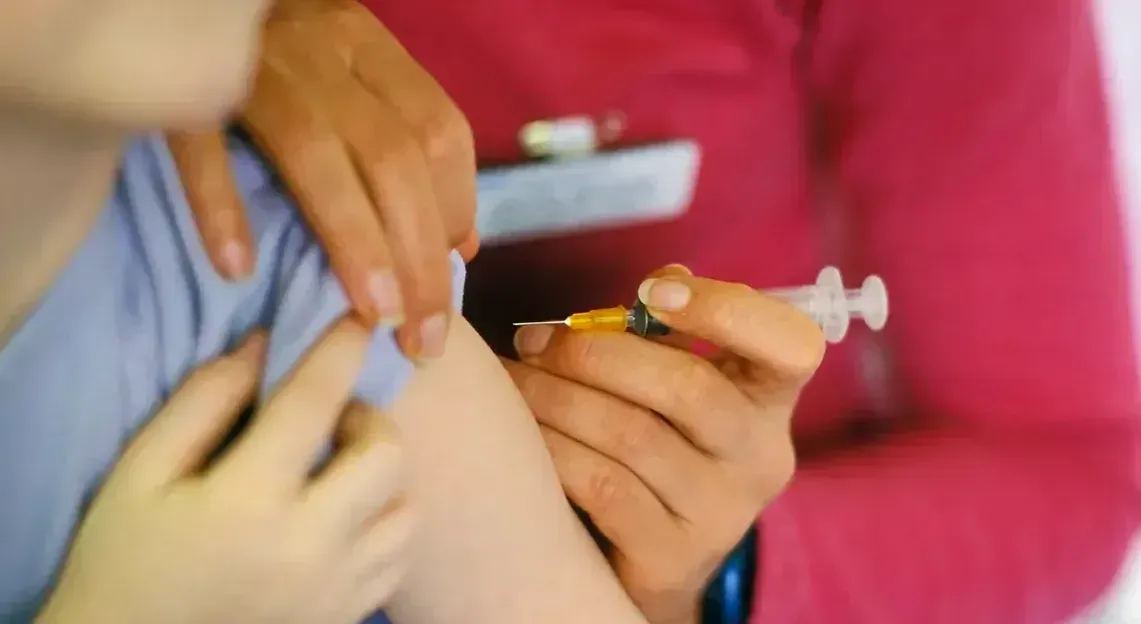
The emergency declaration provides health officials with expanded authority to curb the spread of the highly contagious virus. Under the new order, a wider array of healthcare providers including EMTs, paramedics, pharmacists, and community midwives are now authorized to administer vaccines. Additionally, nurses can implement standing orders for faster testing to identify new cases more quickly, while the state gains better access to adult immunization data to pinpoint vulnerable populations and plan targeted interventions.
Dr. McDonald emphasized that this crisis was entirely avoidable, describing measles as nearly one hundred percent preventable through the MMR vaccine available since 1971. He cautioned against viewing measles as a mild childhood ailment, pointing out that one in five patients require hospitalization due to severe complications like pneumonia or respiratory failure. Alarmingly, two thirds of current cases are occurring in adults who may have fallen through the cracks of school entry vaccination requirements established years ago.
Public health efforts are currently concentrated in Western, Central, and Northern New York, specifically within Oswego, Seneca, and Steuben counties. To combat gaps in coverage, local health departments are employing unconventional outreach methods known as kitchen table public health, where clinicians visit residents directly in their homes to provide shots. Officials urge anyone between the ages of 18 and 69 who is unsure of their vaccination status to contact a doctor immediately, reminding the public that individuals can spread the virus several days before symptoms even appear.
